


In a world where the quality of the air we breathe directly affects our health and the planet's
sustainability, research on air pollutants is more relevant than ever. Substances such as particulate
matter, nitrogen oxides, sulfur dioxide, carbon monoxide, volatile organic compounds, and greenhouse
gases have a significant impact on the environment and living beings. These pollutants not only
exacerbate global challenges like climate change and ozone layer depletion but also affect public
health, causing respiratory, cardiovascular diseases, and allergies.
Environmentally, pollutants compromise ecosystem vitality, damage vegetation, pollute water bodies,
and threaten biodiversity. Given this issue, it is essential to promote effective strategies to
mitigate their emissions and encourage sustainable practices that contribute to a cleaner, more
balanced future. Discover with us how to tackle these challenges and build a healthier environment
for all.
CO₂
50

CH₄
50
O₂
20

Normal
In the digital era, operating systems and networks are fundamental to the functioning of modern technologies. However, the materials used in manufacturing these components have a significant environmental impact. These materials, historically used in the production of electronic equipment and network components, can cause severe damage to both the environment and human health when not managed properly.

May be present in old insulation materials. It was widely used for its heat and corrosion resistance. Prolonged exposure to asbestos can cause serious diseases like asbestosis. Its use is banned in many countries, but it persists in old buildings.


Used in rechargeable batteries and some types of connectors. It is also used as an anti-corrosive coating in certain components. It is a heavy metal that can be dangerous to human health and the environment. Modern technology seeks less harmful alternatives.

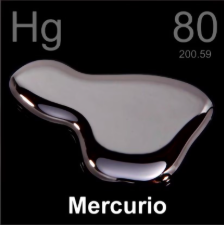
May be present in some electronic components, such as switches and relays. It was also used in fluorescent lamps and old measuring devices. It is highly toxic and poses an environmental risk if not disposed of properly. Many countries have restricted its use through international agreements.

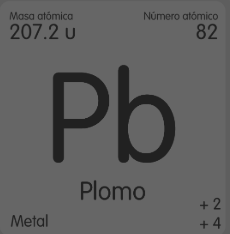
Found in solders and cable connectors. Its use is due to its low melting point and good conductivity. However, it can be toxic if handled improperly. Current regulations aim to reduce its use in electronic products.

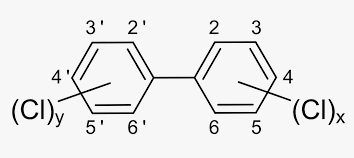
Found in insulators and some types of capacitors. These compounds are highly toxic and persistent in the environment. They have been linked to health issues like cancer and hormonal disorders, and their use is banned or strictly regulated in many countries.


Used as flame retardants in plastics and casings. They help prevent the spread of fire in electronic equipment and textiles. However, they can release toxic substances during combustion, and improper disposal can pose risks to health and the environment.

Electronic waste, also known as e-waste, is the set of waste from electronic devices that are no longer functional. This term covers a wide range of products, including:
ESG (Environmental, Social, and Governance) responsibility has gained importance as a measure of companies' ethical and sustainable behavior. It evaluates environmental impact, community relations, and transparency in corporate governance. Leading ESG companies are key to a sustainable future.
- Share your point of view -